ATA Magazine
Climate change demands bold action.
Education must play a role.
The world needs help.
Teachers have a vital role to play in the global effort to address climate change by educating students and creating space for them to identify, understand and express their feelings about living on a rapidly changing planet.
Being knowledgeable about the causes and consequences of climate change, as well as the world’s responses to it, can give teachers the confidence to handle challenging questions that may arise during class discussions. Such knowledge can also help teachers dispel misinformation as they help students navigate their feelings about the future.
It’s also important for teachers to understand that it’s okay not to have all the answers while still feeling empowered to take the lead in exploring, together with students, this highly complex topic.
Adapted from An Educator’s Guide to Climate Emotions. Climate Psychology Alliance, North America.
The Paris Agreement*
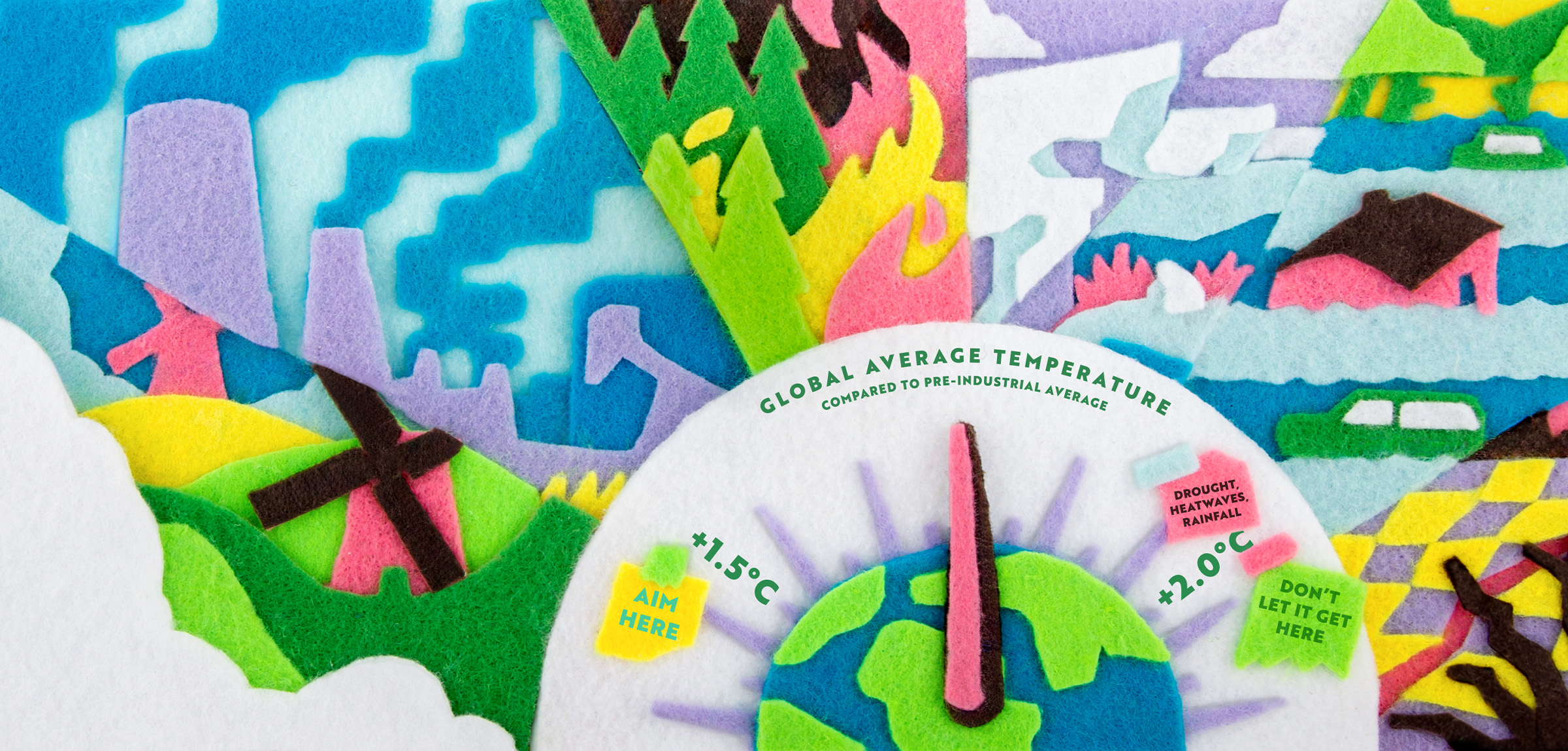
Humanity’s efforts to address climate change are centred around the 2015 Paris Agreement, a legally binding framework that compels nearly all nations to limit global temperature increase to well below 2°C—preferably 1.5°C—above preindustrial levels, with the goal to achieve net-zero emissions by mid-century. The treaty's temperature goals are based on the scientific consensus that warming beyond 2°C risks catastrophic climate impacts, and that 1.5°C is a much safer threshold.
Notes
- Adopted by 195 parties at the UN Climate Change Conference (COP21) in Paris, France in December 2015
- Entered into force on November 4, 2016
- Article 12 calls for signatories to “enhance climate change education.”
5 key facts about climate change
An Educator’s Guide to Climate Emotions. Climate Psychology Alliance, North America. |
A record year
World Meteorological Organization |
Is it real?
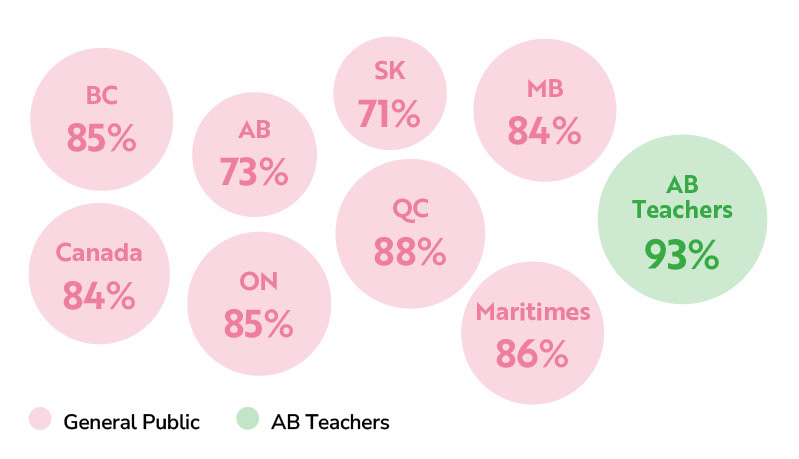
I am certain that climate change is really happening.