
ATA Magazine
Come together
Structured sharing promotes student connection
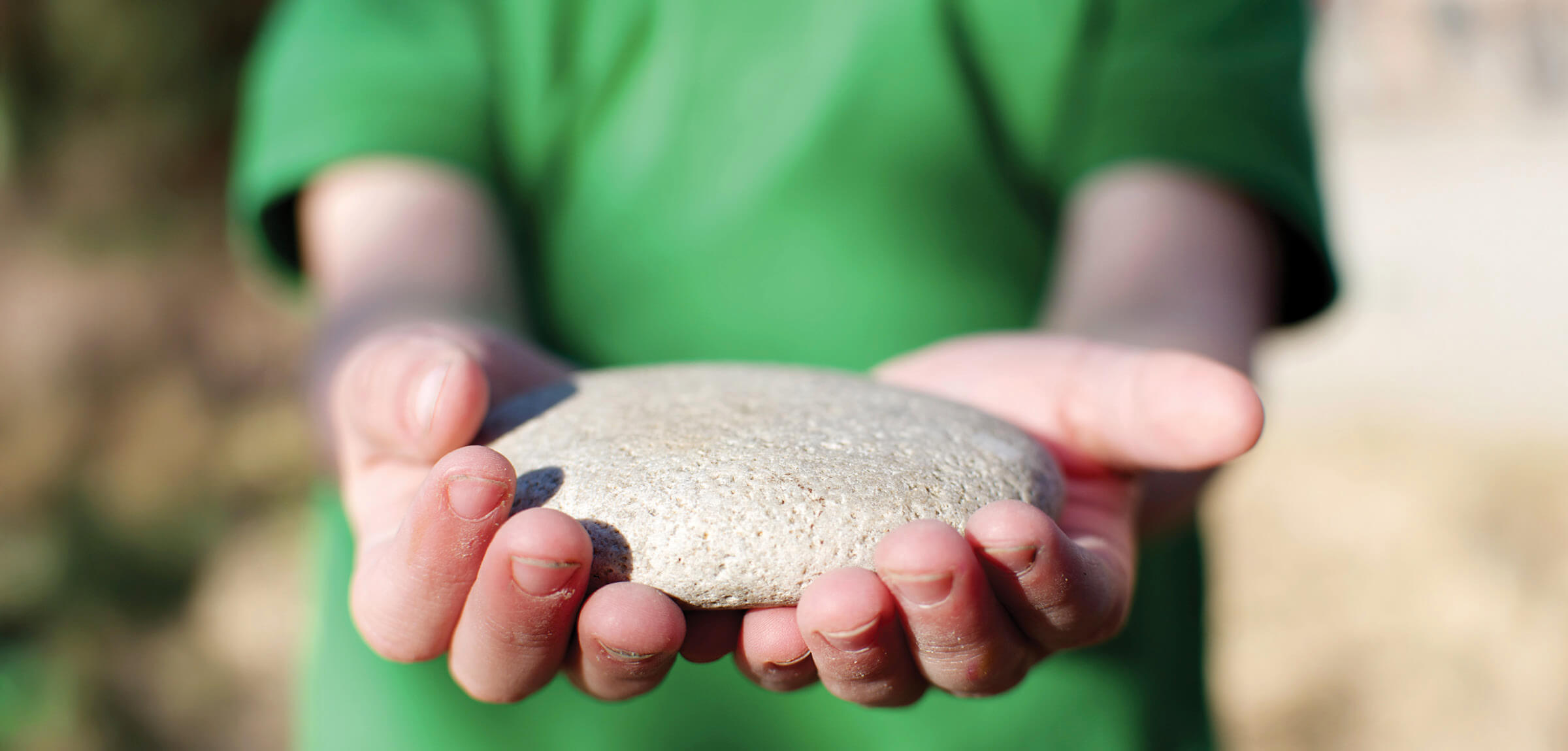
When I was a Grade 4 classroom teacher, a routine I named Come Together was a standard practice in my classroom. I adapted this routine from Indigenous sharing circles that encourage participants to speak from the heart and practice honouring the voices of others.
At the start of the week, we'd form a standing circle to energize ourselves. Students would take turns expressing how they were feeling on a scale of one to 10. Students with lower numbers were encouraged to share the reason for their emotional deficit, but they were also free to pass from speaking. For me, it was a good indicator of who may need extra support to start their week. For the students, it helped them learn which of their peers could use some extra patience or understanding.
At the end of the week, Come Together was more celebratory. While seated in a circle, we used a talking piece such as a rock to indicate whose turn it was to speak. Sharing was focused through a prompt such as “the best thing that happened to me this week was…“ or “today I was proud that I was able to achieve….” It took time to build a sense of safety and foundational expectations for Come Together, but once established, these check-ins became a highly anticipated part of our class routine and community building. If we had to miss this routine, or if it had to be cut short, the group energy was noticeably more unsettled.
The primary goals of Come Together were to help me understand my students’ weekly needs and to strengthen classroom community. I consistently observed growth in how students were able to authentically express themselves or feel valued as individuals. The connection we established through this routine supported our collective learning, social interactions and daily experiences.
If we had to miss this routine ... the group energy was noticeably more unsettled.”