
ATA Magazine
The transformative effect of SEL
Diversity
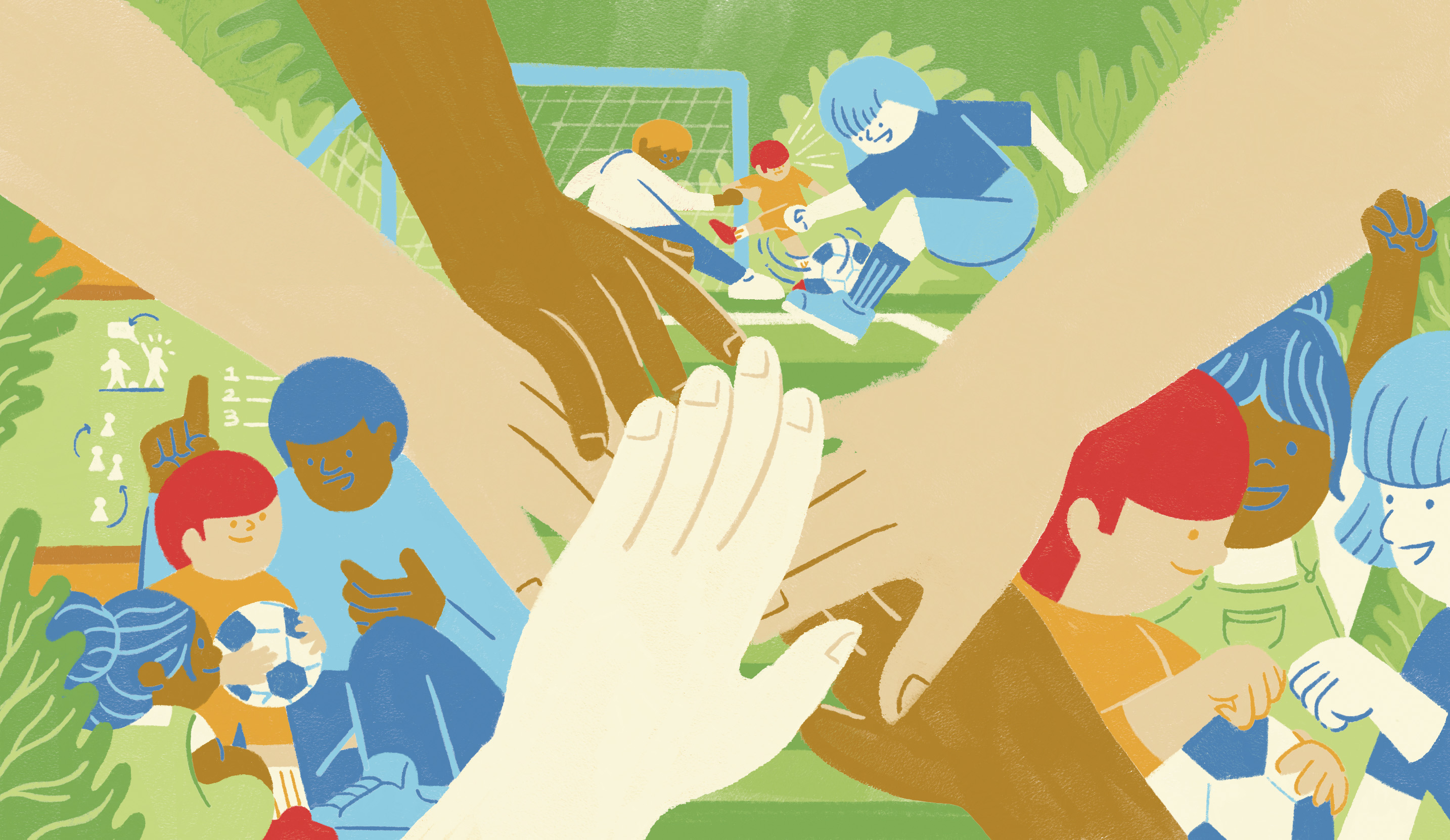
How (and why) to bring social and emotional learning into your classroom
Building a productive and resilient classroom community takes more than great lesson plans—it takes heart. That’s where social and emotional learning (SEL) comes in.
What is SEL?
SEL is a powerful, universal support tool for creating caring, safe and productive learning environments for our students. SEL focuses on five areas of social and emotional competence:
- Self-awareness
- Self-management
- Social awareness
- Relationship skills
- Responsible decision making
Why SEL matters
Decades of research by organizations like the Collaborative for Academic, Social, and Emotional Learning have shown that, when embedded in all subject areas and grade levels, SEL bolsters student learning, productive behaviour and personal growth by giving students the skills they need to manage emotions, connect with others and make future-focused decisions. All of this sets students up for success beyond our classroom walls.
Further, teachers share that, in teaching a social or emotional skill to their students, they also experience social and emotional benefits from modeling the skill.
Bringing SEL into your classroom
Including SEL as part of our instructional approach involves focusing on teaching and modelling specific social and emotional skills students need to navigate their learning experiences. For example, we do not assume that all students have the skills to navigate a group-work disagreement. Rather, we include explicit teaching of group-work skills as part of our instruction and model them from day to day.
SEL is easier to bring into your classroom than you might think. While there are many proprietary (and costly) SEL programs out there, you don’t need a premade program to incorporate social and emotional skills into your teaching. Here are a few simple ways to weave SEL into what you’re already doing.
1. Teach a minilesson
Identify a social or emotional skill your students need to complete a learning activity. Before the activity, teach a three-to-five minute minilesson on how the skill works and what it looks like or sounds like.
- In math, demonstrate a coping strategy for calming test anxiety.
- In physical education, discuss what it sounds like to communicate with teammates.
- In science, create language for dealing with disagreements during a group project.
- Before recess, discuss what it sounds like to compromise with a friend.
2. Model it
Students learn social and emotional skills by watching you. Share your own strategies for managing feeling overwhelmed, resolving conflicts or bouncing back from mistakes. Make a deliberate choice to use the social and emotional skills and strategies you teach your students.
3. Connect to the curriculum
- In language arts, discuss how a character’s feelings and thoughts influence their actions.
- In social studies, explore current events by focusing on perspective-taking skills.
- In science, highlight persistence and empathy skills during experiments and group work.
- Before recess, share that the group-work skill you just used during science can also work well for playing with friends.
4. Celebrate wins
Notice and name specific social and emotional successes: "I saw how you included your partner in today’s group-work task—great teamwork!"
Living SEL
An impactful approach to SEL is all about the people who lead and live the work. It’s not about choosing the “perfect” program or being the “perfect” human in front of our students. Rather, when we are human with our students, and pull the curtain back on our own feelings, thoughts and ways of managing emotions and relationships, we are living SEL.
Learn more about the benefits of SEL visit the Collaborative for Academic, Social, and Emotional Learning website
Inclusive Chronicles podcast
Kelsey Bagnall
Communications Officer, Council for Inclusive Education
The Inclusive Chronicles: Tips and Tricks for Inclusive Education in Alberta podcast, launched by the Council for Inclusive Education (CIE) in 2024, equips teachers across the province with tips and tools to create equitable learning environments.
Since its debut, the Inclusive Chronicles podcast has been empowering teachers with actionable strategies, inspiring interviews and insightful professional development. This podcast helps to bridge the gap between theory and practice to help Alberta teachers foster inclusive classrooms and ensure every student thrives.
Inclusive Chronicles is committed to collaboration and responsiveness, and actively seeks input from Alberta teachers to ensure their voices and needs are reflected in the content.
Share your ideas for the podcast through the CIE’s website.
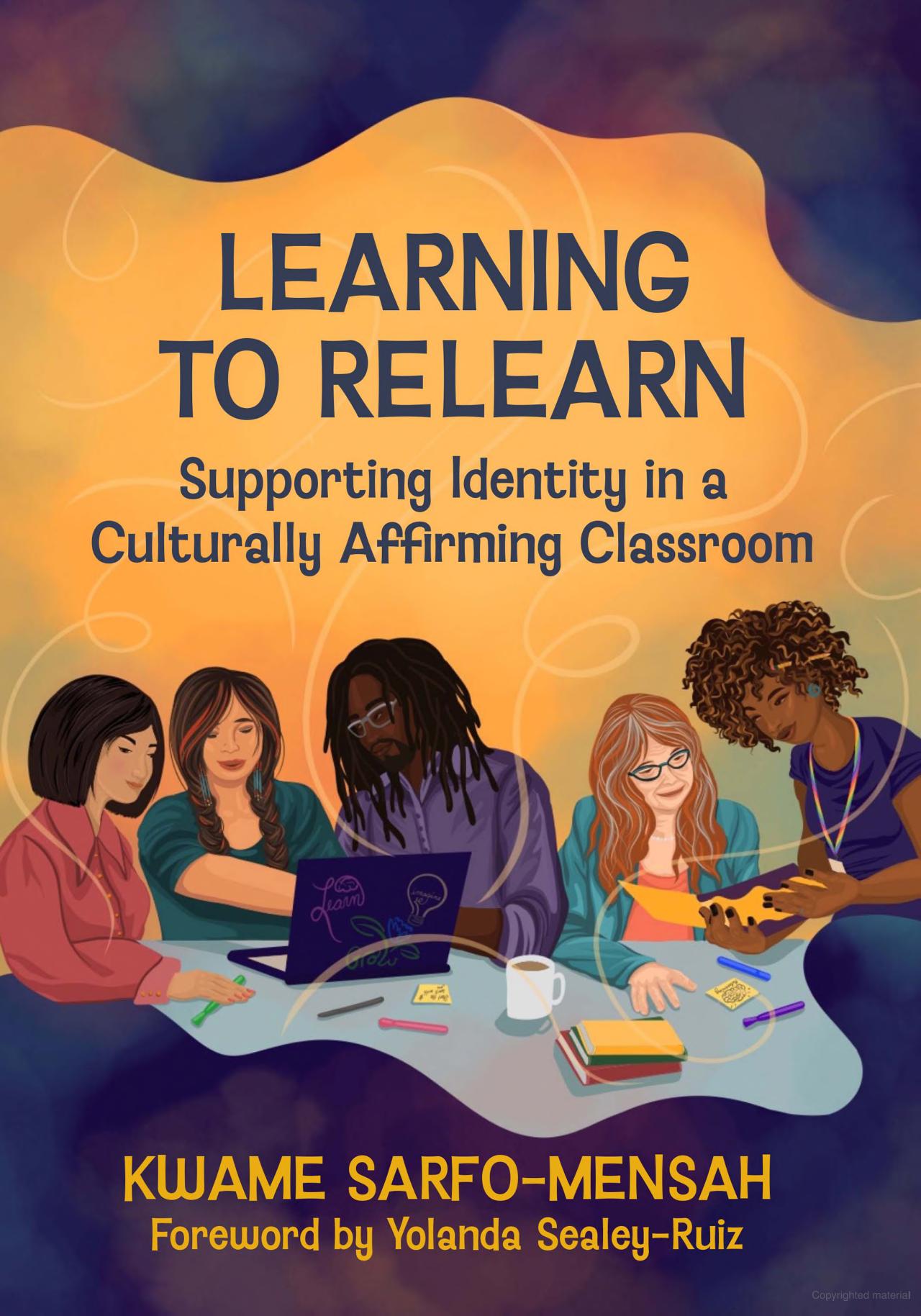
Learning to Relearn is available through the ATA library