ATA News
Global unrest reaches into Alberta classrooms
We have all heard about the air raid drills of the 1950s, when students were instructed to hide under their desks in case of an atomic bomb. Even then, it must have felt like a futile attempt at safety. When I was in Grade 8 learning about the Cold War, I remember being genuinely afraid. At that age, the threat felt immediate and personal, as though a nuclear bomb might truly be part of my future. With today’s heightened political unrest, it’s hard not to imagine that our students are feeling something similar. And all of it inevitably finds its way into classrooms across Alberta.
For many Alberta students, the world doesn’t feel as big anymore. Their phones, just like ours, buzz constantly with updates: some real, some exaggerated, some misleading and some outright false. Global conflict shows up between math homework reminders and makeup tutorials on TikTok. While credible journalism exists, it competes with other sources that are less reliable.
Teachers in Alberta are seeing the effects. Students arrive at school already carrying anxiety, worried about wars they’ve encountered online or repeating misinformation that spread overnight through group chats. It’s not that they are trying to be dramatic; it’s that their digital environment rarely distinguishes between fact and fear.
At the same time, Alberta classrooms include students whose families have fled conflict zones. These learners bring lived experiences that are both heartbreaking and courageous. For them, safety and stability at school are not abstract concepts—they are essential. Teachers often become a trusted adult who helps students feel grounded, welcomed and connected. That role exists on top of teaching the curriculum; teachers are supporting a wide range of needs in their classrooms.
Political conversations have become part of the daily backdrop, whether in the gym, at Tim Hortons or scrolling before bed. Twenty years ago, politics often felt like something that adults debated quietly. Now it is woven into memes, trends and influencer commentary. Adolescents are encountering strong opinions, half-truths and emotionally charged narratives long before they have the skills to evaluate them.
This is where teachers matter more than ever.
In our classrooms, we help students slow down, ask better questions and figure out what is real. We explore context and credibility. We offer perspective, critical thinking and reassurance—things an algorithm can’t provide. Social studies becomes not just a subject but a lifeline that helps students process a complicated world. And sometimes, the most important thing we offer is stability: a calm adult who can say, “Let’s talk about what’s going on.”
Political unrest may start oceans away, but misinformation, fear and confusion can reach Alberta students instantly. By being present and informed, teachers can help classrooms remain places of safety and clarity—places where students can learn, think and grow, even when the world feels uncertain.
Once again, it becomes clear that teachers are far more than “curriculum deliverers.” In uncertain times, they are the steady human connection students need most.
I welcome your comments. Contact me at kristine.wilkinson@ata.ab.ca.
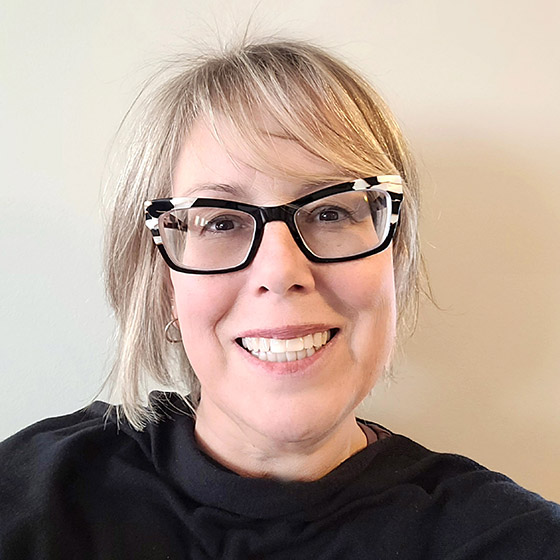
Kristine Wilkinson
ATA News Editor-In-Chief