
ATA News
Prepare for a "neverendum"
The term “neverendum” was coined by Quebec journalist Josh Freed in 1992 during that province’s second referendum on separation, and it sums up what Albertans can expect this fall.
Regardless of the outcome of Alberta’s October referendum, its legacy will reverberate far into the future. By their very nature, referendums are divisive, requiring voters to make a binary choice between two alternatives. In this case, the waters are muddied by nine confusing questions and one setting the stage for a second referendum on “divorcing” Canada.
This is an expensive (costing approximately $130 million), nonbinding exercise in futility, embarked upon to settle an internal party issue: that is, whether a majority of the UCP caucus are separatists. Like the Brexit vote, which Prime Minister David Cameron called because his caucus was divided, the entire country was plunged into a campaign they did not seek. Fearing that her party will fracture, Premier Smith is trying to appease these rebels by getting all voters to express their views.
The questions ... are grounded in animus toward Ottawa and ideas that have been floated by different groups for a quarter of a century.
The questions we will have to answer in October are hardly the topic of conversation around the kitchen table. They are grounded in animus toward Ottawa and ideas that have been floated by different groups for a quarter of a century. They are solutions looking for a problem: setting up a provincial police force and pension plan, collecting our own income tax and gradually detaching ourselves from Ottawa. These proposals leave Albertans cold. What keeps them awake at night are two-tier health care, artificial intelligence data centres and the leaked voter list that has elicited little response from the government.
What we have instead are some questions that are redundant and others that are confusing. For example, proof of citizenship is already appearing on driver’s licences, and opting out of federal programs has been possible for three decades. In addition, it does not require constitutional reform.
Although the first question deals with more control over immigration, the three that follow do not target immigrants. They relate to those with temporary status: temporary foreign workers, international students and refugees. Those who fall into this category are among the most vulnerable in society. Ukrainians fleeing the war in their country are unlikely to have the means to pay for health care or education. International students, who pay five times the tuition fees paid by Canadians, and temporary foreign workers are equally disadvantaged.
Despite their uncertain situation, anyone with a nonpermanent status who works in Canada pays income and payroll taxes, plus GST, meaning that they are contributing to government revenue and subsidizing pensioners.
It is highly likely that these proposals will face legal challenges because they violate the Charter rights of individuals. The Supreme Court has ruled that an “individual” in section 15, the Equality Rights section, covers any person physically present in Canada, not just citizens. Whether children of undocumented individuals will enjoy the right to education is difficult to predict. Some families are awaiting documentation from the federal government and others have applied for refugee status. Alberta’s minister of Education and Childcare has been evasive in his answers on the subject, adding to the anxiety of many parents.
In the long term, the post-referendum horizon is bleak. Even if there’s overwhelming support to remain in Canada, separatists will fan the flames and agitate for another vote.
In the immediate term, given the gargantuan task that Elections Alberta has on its hands, the voting process is likely to be chaotic. There will be long lineups, voter frustration and possibly a low turnout. No doubt, the task of counting millions of votes by hand will be lengthy, with thousands of mail-in ballots adding to the burden. If the latter make a significant difference to the outcome, given the Trumpian tendencies of some separatists, they will probably cast doubt on the integrity of the results.
All in all, Albertans are being put through a meat grinder.
Doreen Barrie is an adjunct assistant professor in the Political Science Department at the University of Calgary. She has taught courses in Canadian and provincial politics, Alberta politics, and the politics of water.
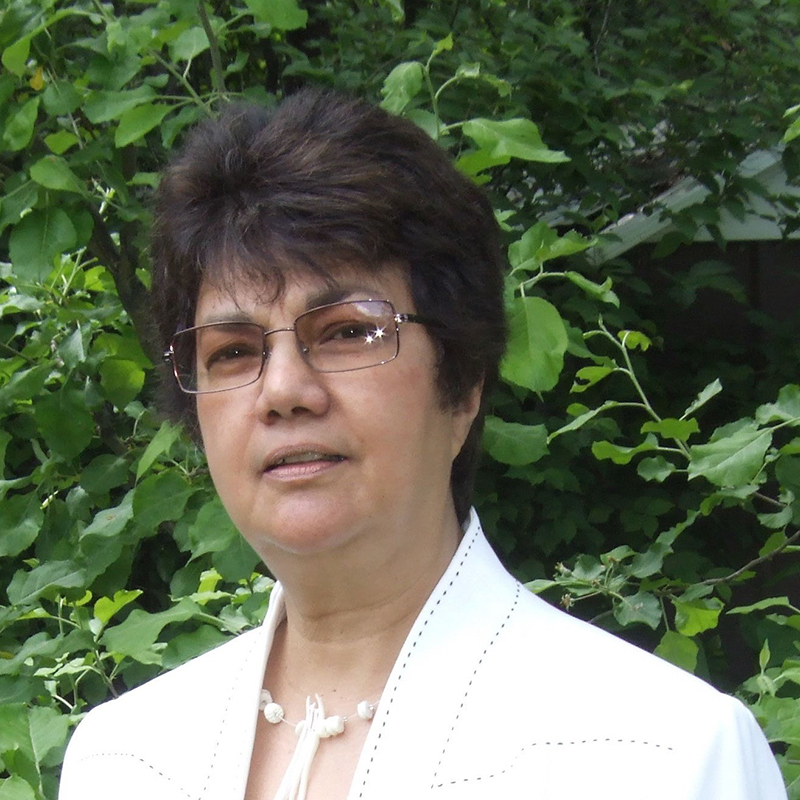
Doreen Barrie
Adjunct Assistant Professor, University of Calgary