ATA News
Inside Insight
Lessons from the edge of the world
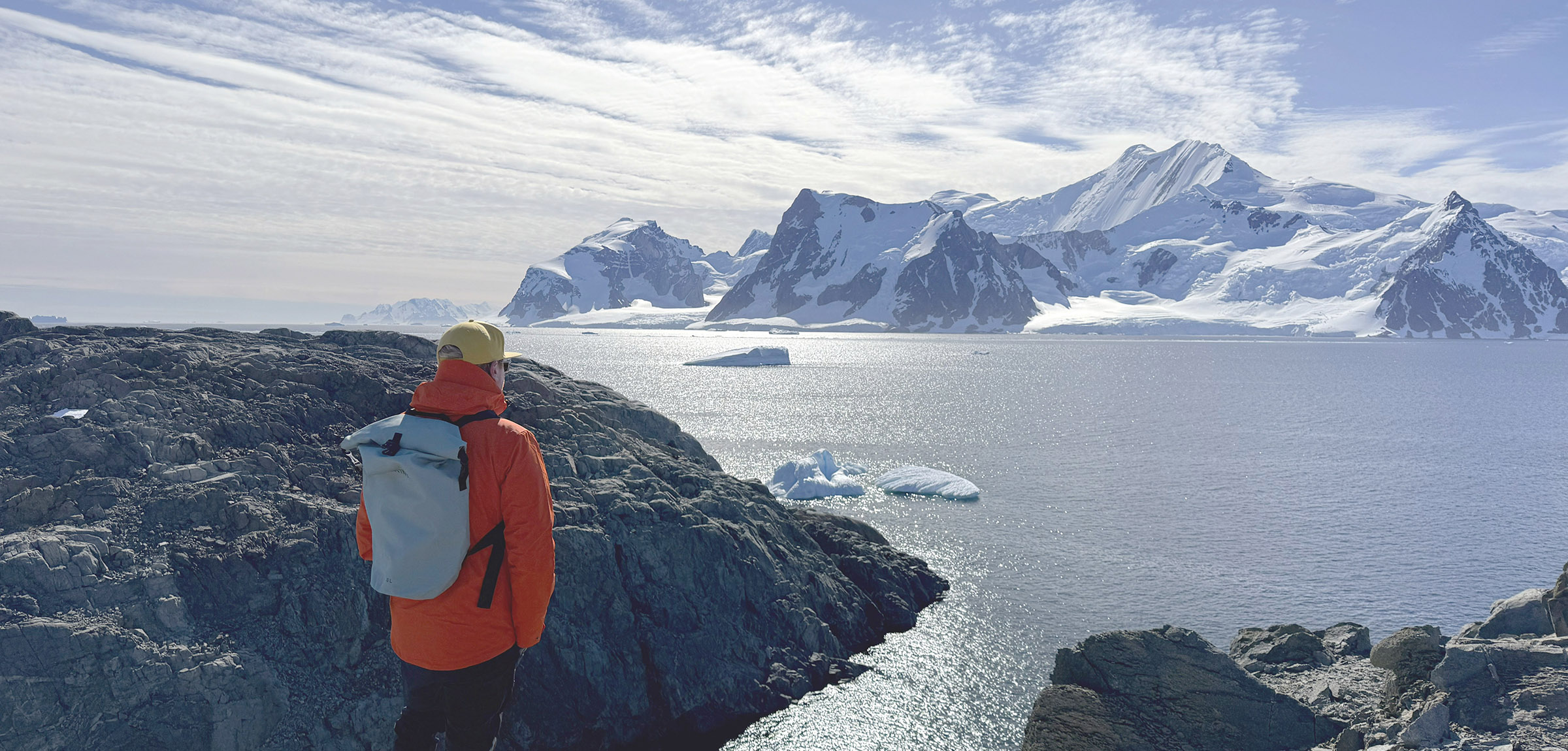
What does the most remote place on Earth teach a teacher?
I had the opportunity to find out this past year while travelling to Antarctica as part of the National Geographic Grosvenor Teacher Fellowship. Like many people, I imagined the continent would feel dramatic and intense with wind sweeping across ice, towering glaciers, constant movement. What surprised me most, however, was the quiet.
Standing on the deck of our ship, surrounded by a landscape shaped long before any of us arrived, I felt something settle. The glaciers did not move quickly. Icebergs drifted without urgency. Penguins carried on with their routines, unconcerned with who was watching. Nothing felt rushed. Nothing performative.
It was a striking contrast to a regular week in a school.
Back home in Alberta, my days are full of bells, supervision, emails, planning and the steady responsibility of caring for students’ growth. Even in outdoor education, where slowing down is part of the philosophy, there is structure and intention. We think ahead. We prepare. We manage risk. We support outcomes.
In Antarctica, there was no next bell. No immediate outcome. Just space.
One morning, I found myself watching a single iceberg drift slowly past our ship. It was not dramatic or particularly large. It was simply there, shaped over years of pressure and weather long before I ever noticed it. I could not stop thinking about how similar that felt to real growth.
As teachers, we speak often about progress and improvement. We measure it, document it and celebrate it. But the most meaningful growth in our students—resilience, confidence, curiosity—is often layered quietly beneath the surface. It takes time. Pressure. Patience.
I found myself thinking about students who do not always show immediate results. The ones who are building strength slowly. The ones who need space more than speed.
Antarctica did not introduce me to patience. As an outdoor education teacher, I already believe deeply in giving students time on the trail, around a fire or during reflection. Nature rarely responds to urgency. It moves according to its own rhythms.
What Antarctica did was reinforce that belief in a powerful way.
There was no sense that something had to happen next. The landscape existed on its own timeline, shaped by forces far larger than any one season. It reminded me that not everything meaningful needs to move quickly, in nature or in a classroom.
It also reminded me of the value of staying a learner.
In that vast environment, I was not leading a group or facilitating an experience. I was observing. Curious. Paying attention. In our profession, we are often the ones expected to provide answers and direction. Antarctica quietly reminded me how important it is to remain curious alongside our students.
Since returning home, the shifts have been subtle but real. I pause longer before stepping in. I allow silence to sit. I am more comfortable letting uncertainty unfold rather than resolving it immediately.
The most remote place on Earth did not hand me a new strategy. It offered perspective about time, about scale and about the quiet strength of steady growth.
So, what does the edge of the world teach a teacher?
It reminded me that not everything meaningful is urgent, and that the deepest growth is often invisible in the moment. It called me to slow down enough to notice what is already taking shape and to trust that growth is happening, even when I can’t see it yet. It reinforced that staying curious, especially in a profession where we’re expected to have answers, may be one of the most powerful forms of leadership we model for our students.
Court Rustemeyer is an outdoor education teacher in Calgary, Alberta, with over a decade of experience working with students in Grades 7–9. He is passionate about experiential learning, mentorship and helping students grow through meaningful time in nature.
Inside Insight is your chance to write about a memorable moment, a lesson learned or a poignant experience related to teaching. Please submit articles to managing editor Lindsay Yakimyshyn at lindsay.yakimyshyn@ata.ab.ca.
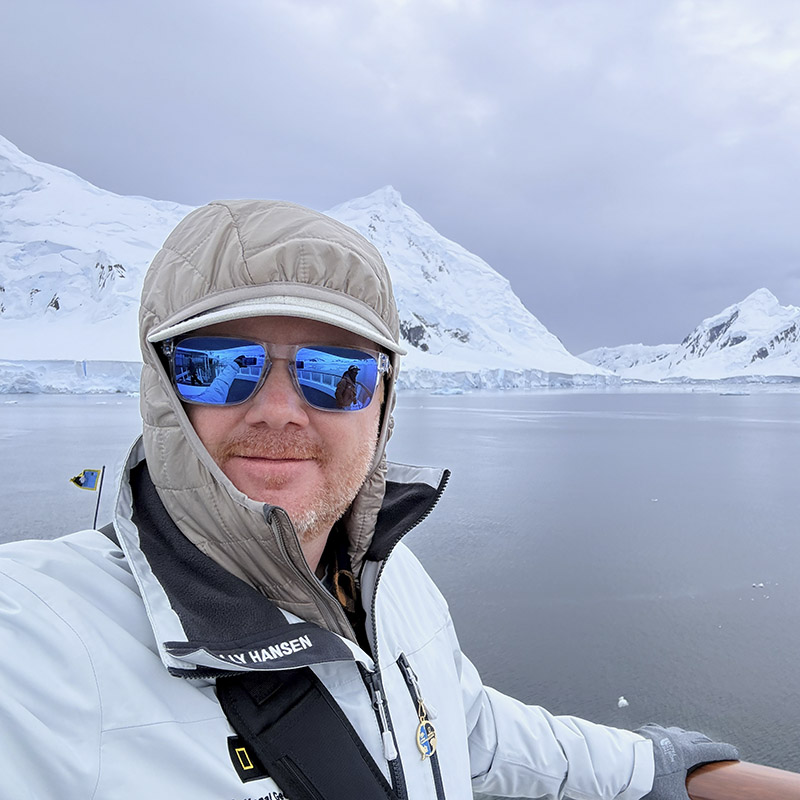
Court Rustemeyer
Special to the ATA News