ATA News
Complexity teams expand to 7–12
Filling vacant roles a significant challenge for many boards, says ATA president
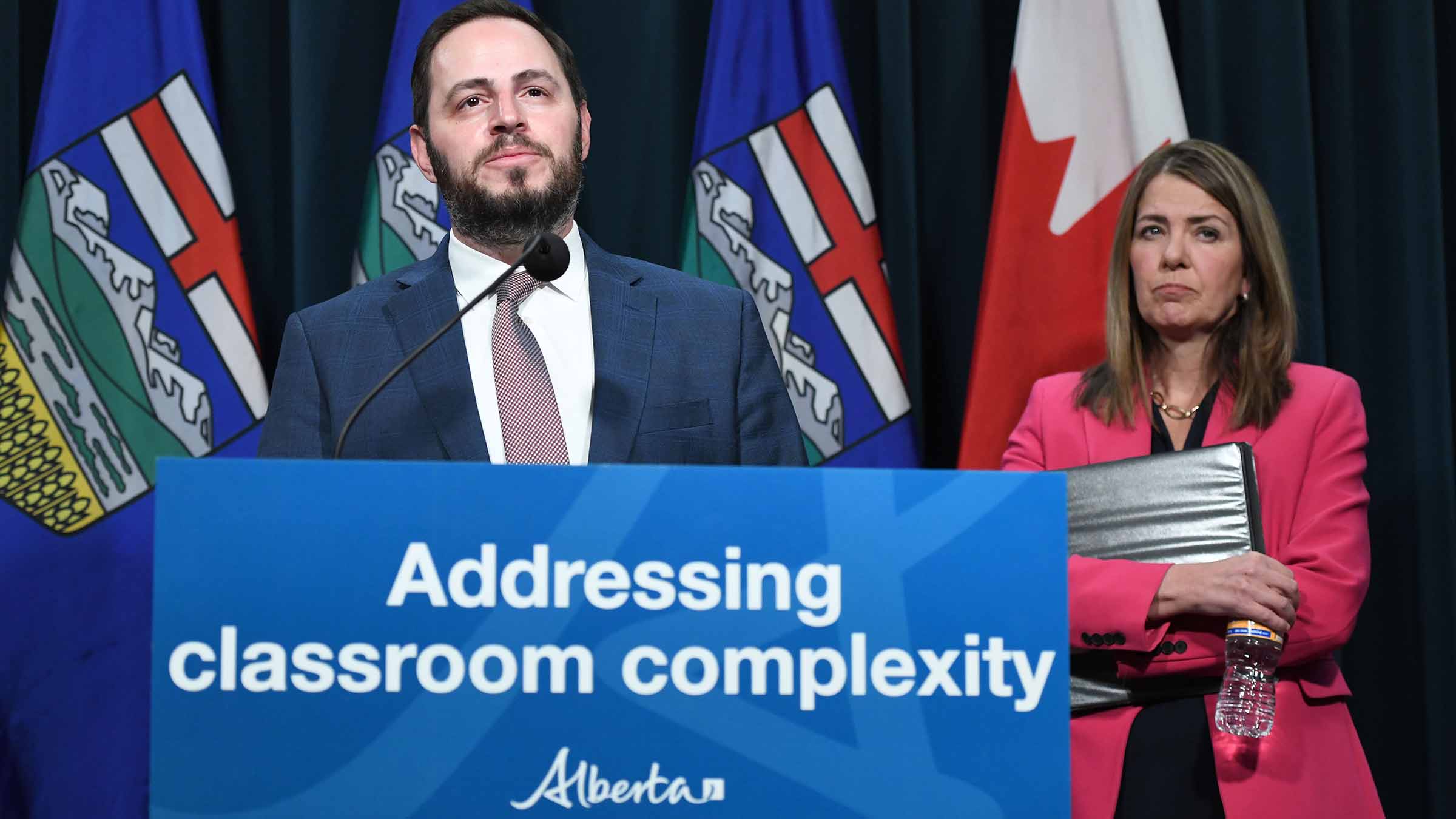
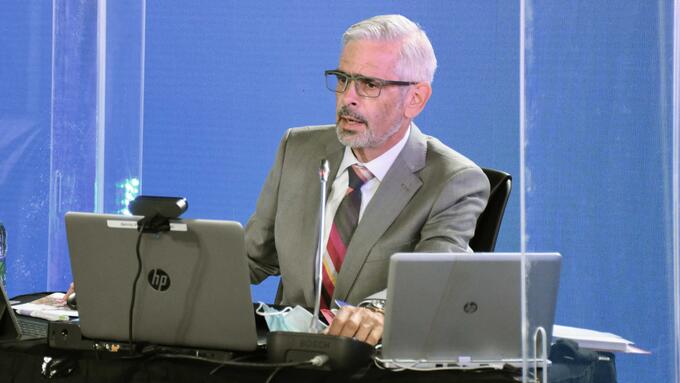
The expansion of complexity teams to Grades 7 to 12 is a good step but not enough to undo 10 years of neglect. That’s the assessment by Alberta Teachers’ Association president Jason Schilling in reaction to the late June announcement that the government was committing $100 million toward 221 new complexity teams, including 63 new K–6 teams under a program announced in February and 158 teams for Grades 7 to 12. The program aims to provide targeted training for staff while improving access to specialized services in rural and remote communities.
Here is a summary of the thoughts Schilling shared with the ATA News during a recent interview. (Responses have been edited for length and clarity).
Q. What are your thoughts on the expansion of the complexity teams to Grades 7 to 12?
A. Once again we’re seeing the government make a move to address the classroom complexity issue that teachers highlighted during the strike. But we know, given the scope and the scale of the complexity problems that we see across our schools in Alberta, that this is just a drop in the bucket. It’s a start, but we definitely need to see more investment to address the complexity issues in our schools.
Q. What is your opinion on the complexity teams themselves in terms of their effectiveness in addressing what they’re aimed at addressing?
A. Throughout the strike and with the initial proposal, we were trying to find a teacher–student ratio with a complexity factor that would affect every classroom. With the complexity teams, we know that there are still a lot of classrooms out there with many kids with complex needs that still need to be addressed. So, though it’s not the solution that teachers were looking for through bargaining, it is what we have from the government, and we know that the government would not have moved on this without the pressure that teachers and parents brought through the strike.
Q. What more would you like to see happen?
A. We need to see an influx of funding in the schools to address the complexity. We need more teachers in the system, more than just one or two hired for a district. For example, mid-sized or rural-sized districts are getting only one or two complexity teams. We need more educational assistants (EAs), we need more professionals such as speech pathologists and occupational therapists in schools. We need to reduce class size, and it’s going to take sustainable funding to ensure that our students are getting the very best learning conditions they can have.
Q. When it comes to funding, where do you lay that responsibility? Some critics target school boards for how they manage their finances more than the overall funding from the government. What’s your take on that?
A. School boards are definitely part of the conversation, and we can’t let them off the hook. We know with the initial announcement of the complexity teams in February, some school boards wanted to absorb that funding into their central office and then be able to distribute it the way that they felt fit, and not directly to the schools or to classrooms. There needs to be a conversation between the government and school boards about how much funding they get and how that is allocated in a way that actually benefits classrooms and students.
Q. What kind of feedback have you received from teachers on these complexity teams?
A. It runs a spectrum. We hear from some members that the complexity teams have made a difference in their schools and their classrooms. We hear from other colleagues that have not seen any improvements whatsoever in their schools. There has been a lot of trouble with some boards trying to hire individuals into these roles. They’re very complex roles, and sometimes new teachers might not have the training, so boards have shifted other people into these roles. It’s a mixed sort of feeling among teachers when it comes to the implementation of these teams.
Q. Expanding on what you mentioned about hiring, do you have a sense of how successful boards have been in hiring teachers around the province?
A. There are still many unfilled vacancies out there. Some rural areas are really struggling to get teachers into schools, but with the sheer number of teachers that need to be hired by urban boards, we’re also seeing some vacancies there.
Q. As we head into a new school year, what are your overall thoughts on this initiative from the government?
A. We have to make sure that people are being hired, that the EAs are in place, and that they’re able to make it better for students and for teachers in classrooms and schools. We also need to hold the government to account to extend this. This can’t be a one and done. They need to expand their efforts to address complexity issues, and they also have to ensure that the funding is sustainable, as our students’ needs will not end with this budget cycle.