
ATA News
ATA raises concerns about Bill 25’s scope, impacts
The Alberta Teachers’ Association (ATA) is voicing strong concerns over Bill 25, An Act to Remove Politics and Ideology from Classrooms, arguing that the proposed legislation distracts from the real issues facing Alberta’s classrooms.
Introduced on March 31, if passed, Bill 25 aims to strengthen safety and accountability in Alberta schools, according to the government. Specifically, it introduces several amendments to Alberta’s Education Act to shift the provincial learning environment toward safety and neutrality.
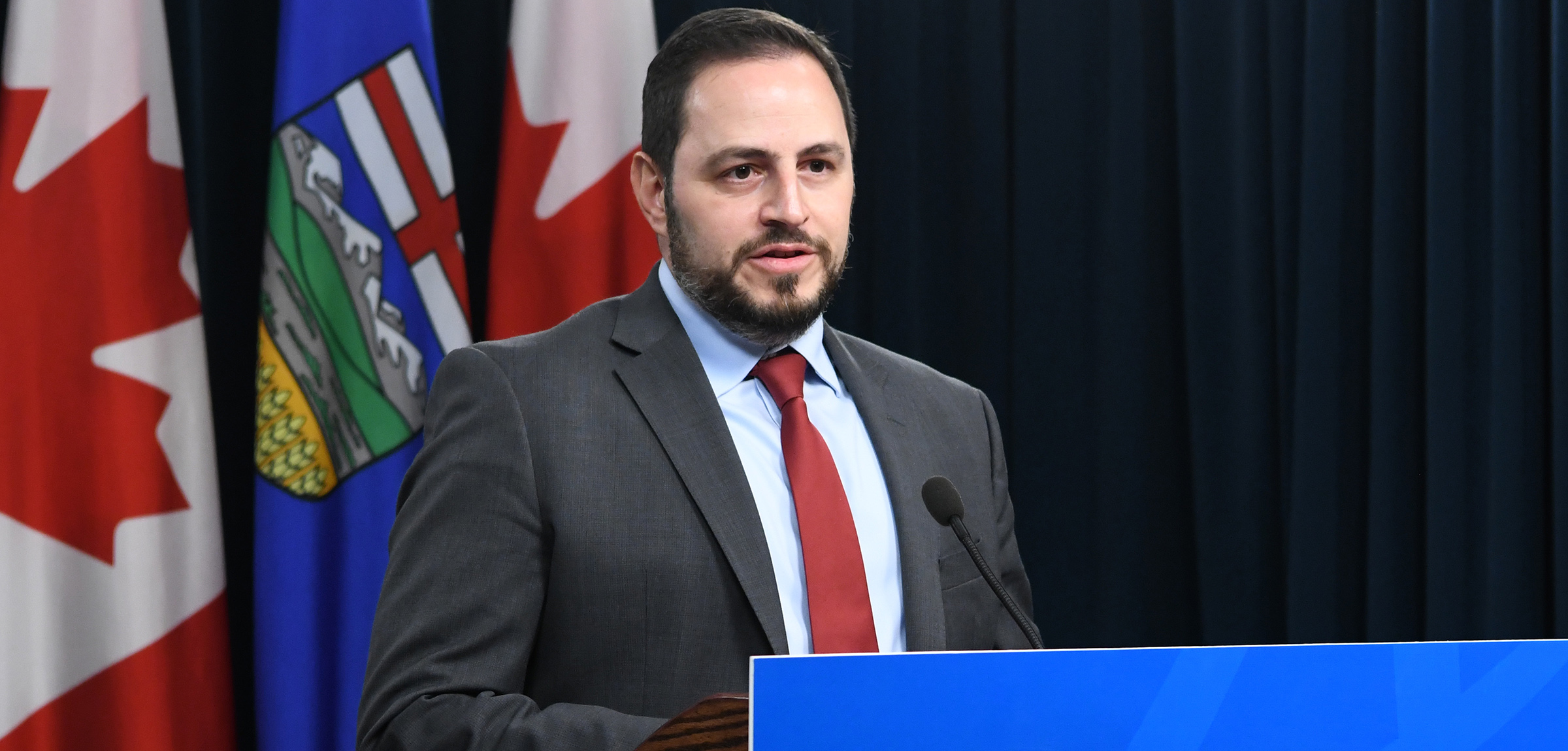
“Parents expect schools to be safe, focused on learning and open to diverse perspectives,” said Minister of Education and Childcare Demetrios Nicolaides. “These changes strengthen accountability, reinforce neutrality and respect, and make it clear that politics and ideology have no place in Alberta classrooms.”
However, ATA president Jason Schilling has labeled the bill, which covers topics from flags to literacy to the national anthem to school building naming, as a “grab bag of amendments.”
“We need to look beyond the clickbait title of this bill and drill down to understand its full scope,” said Schilling. “It has very little to do with politics and ideology, at least in the classroom.”
If passed, teachers would be instructed to approach the government-prescribed curriculum in a manner that is impartial, neutral and free of personal bias, while encouraging a wide range of perspectives—practices Schilling says teachers already follow.
“They’re professionals. They have degrees in pedagogy. They’ve taken courses on how to implement curriculum,” said Schilling. “They don’t need their lesson plans analyzed, nor do they need to feel like they’re being accused of deceitfulness in their profession.”
Schilling also points to the potential for the bill’s mandate of “neutrality” in the classroom to have a chilling effect on how teachers approach sensitive topics outlined in the curriculum. For years, he taught his English class the novel Night by Elie Wiesel, a Holocaust survivor, and now he wonders how he—or any teacher—could take a neutral, nonbiased approach to a topic like genocide.
“This new approach of neutrality is extremely problematic. We’ll just have to see what the regulations are going to say,” he said. “Right now, when I press government for a definition of what it means to be neutral, in terms of this legislation, they’re unable to provide an answer.”
Bill 25 would also grant the minister of Education and Childcare increased authority over superintendent contracts and the naming of school buildings. New regulations would mandate the weekly playing of the national anthem and the display of the Canadian and Alberta flags, while restricting other flags unless specifically authorized by the minister.
Warning that this move constricts the expression of identities in schools and communities, Schilling says that whether it’s a francophone, Métis, Pride or other flag, local schools should be free to reflect their communities without unnecessary political control.
“It is also deeply concerning that the government has purged the word welcoming from the Education Act … and removed references to diversity,” said Schilling. “Albertans should be asking why this government felt the need to make those changes.”
Although Schilling acknowledged the bill touches on violence prevention and school safety, he said much of the language is vague and could create confusion and tension within school communities.
“To see them actually admit that there is a problem with violence within our schools is a productive first step,” said Schilling. “But now they need to provide the resources and the supports to schools so they can actually deal with the issue and its root causes.”
Schilling adds that, for a bill that claims to remove politics and ideology from classrooms, Bill 25 appears to do the opposite by increasing government control over decisions that should be left to teachers, school leaders and school communities.
“We will monitor the implementation of these amendments,” he said, “but will not allow them to distract from the critical issues still affecting teachers and students.”