ATA News
ARA 2026
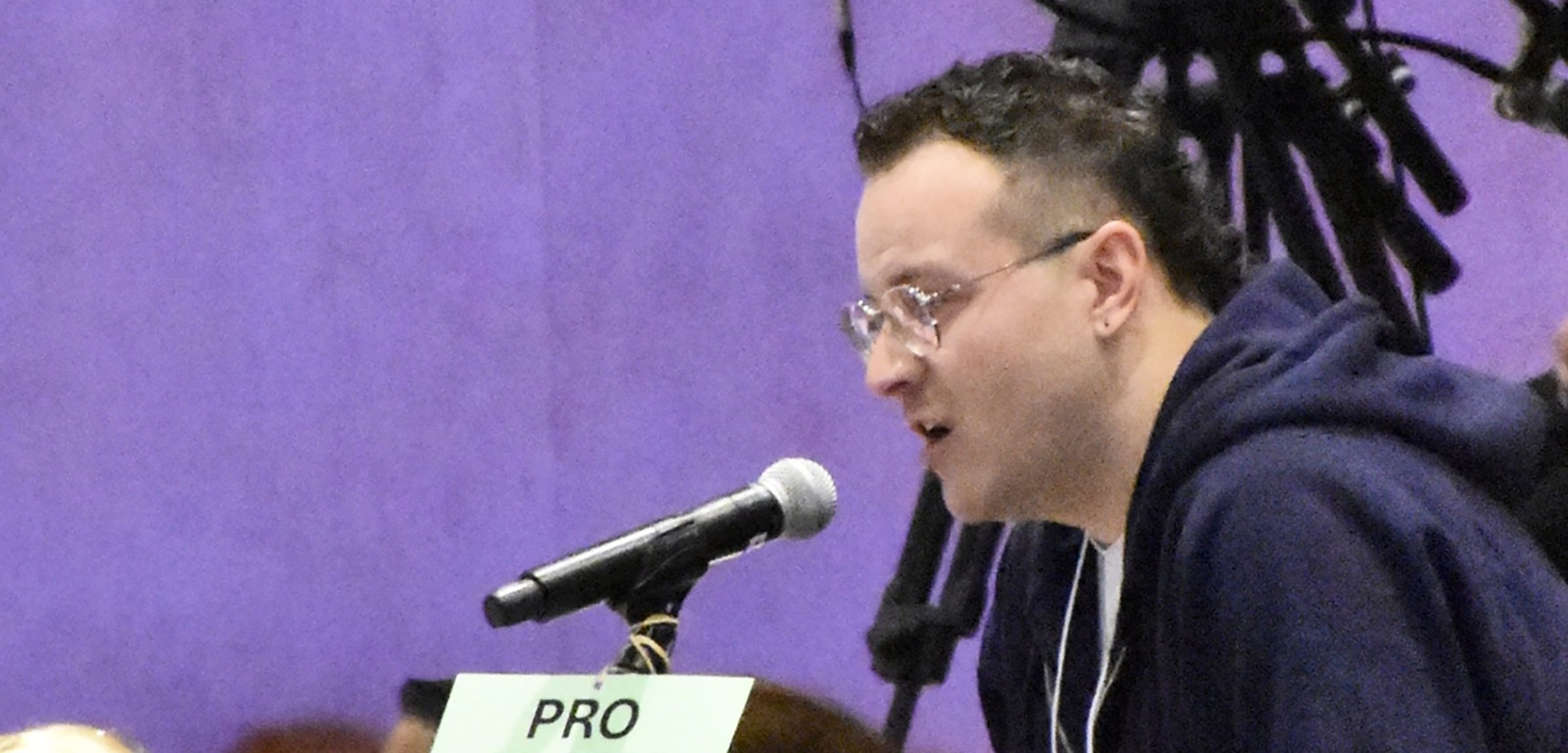
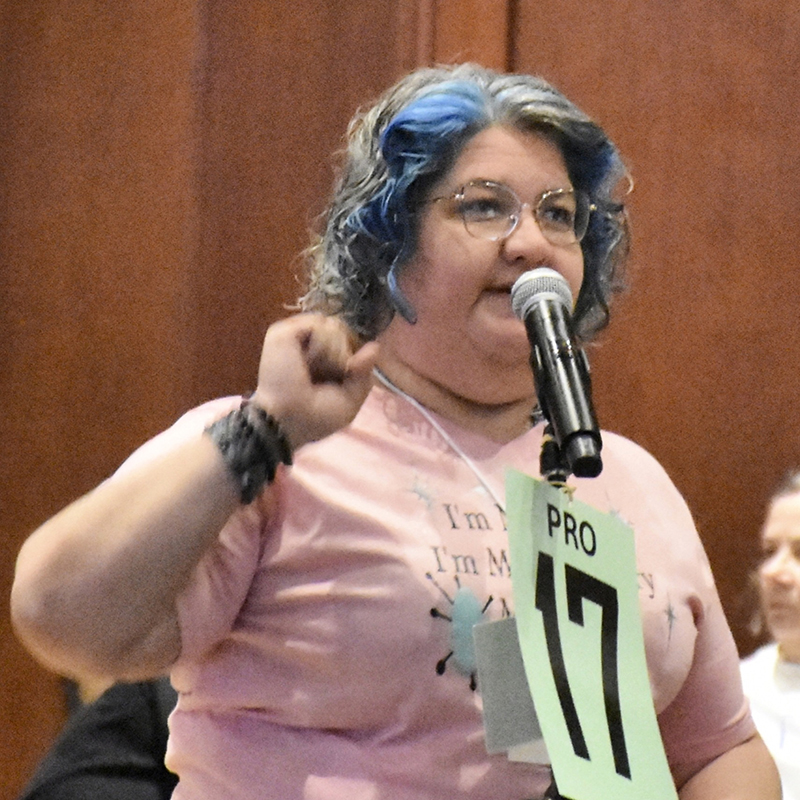
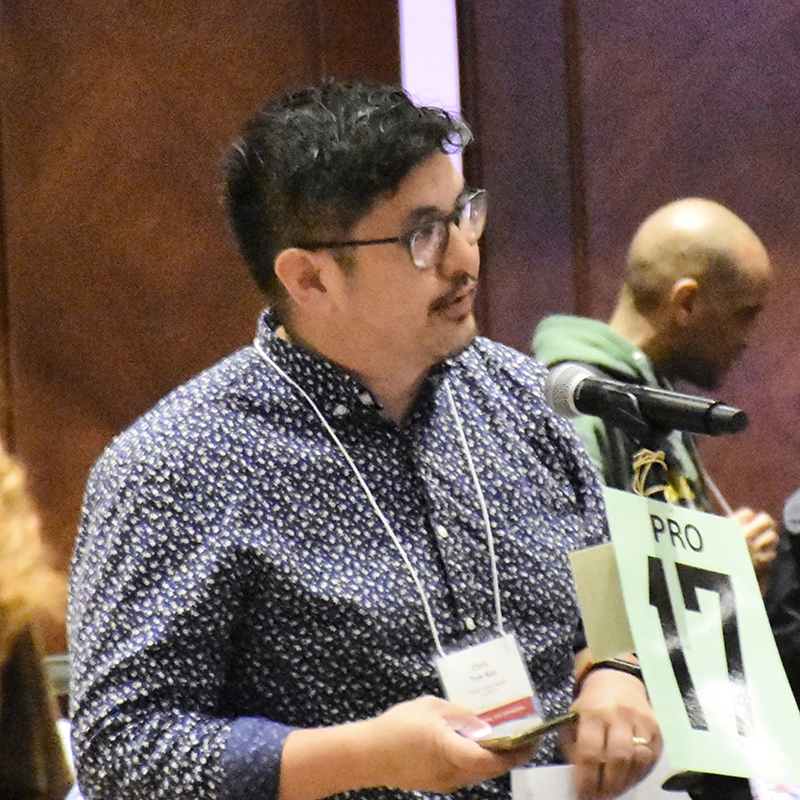
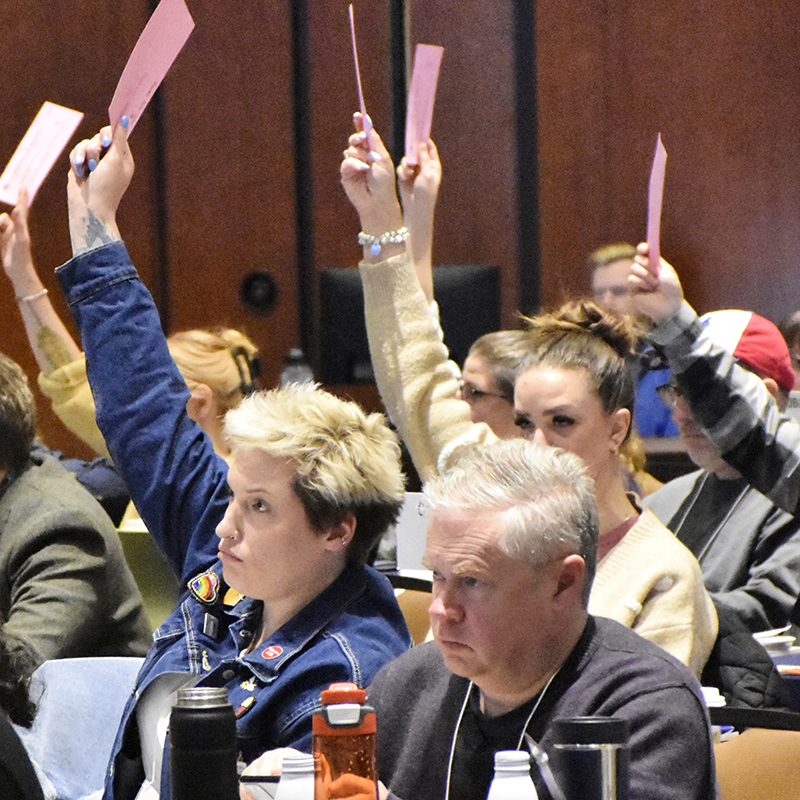
More than 400 delegates representing ATA locals from across the province gathered in Calgary over the Victoria Day long weekend for the Alberta Teachers’ Association’s (ATA) 109th Annual Representative Assembly (ARA). On the heels of an historic and tumultuous year, the three-day assembly established the Association’s budget, refined core organizational policy and sent a definitive message to the provincial government: Alberta’s teachers stand unified, professional and ready to protect the integrity of public education.
The shadow of the fall 2025 provincewide strike—and the provincial government’s unprecedented invocation of the notwithstanding clause to force teachers back to work—loomed large over the weekend. Even after a challenging year, the atmosphere in the assembly floor was one of fierce resolve.
ATA president Jason Schilling set the tone in his opening address, vigorously rejecting government efforts to create divisions within the teaching profession or to dismiss concerns raised about public education in the province.
“Teachers have shown through our collective action that we are not afraid to stand united and stand up for what we believe in,” Schilling told delegates. “We know the public and parents are on our side. They see through the political noise and want what we want: classrooms where students can actually thrive.”
With resolve
Delegates in attendance thoughtfully debated and passed several key resolutions aimed at tackling systemic underfunding, protecting teacher safety and navigating the emerging frontiers of classroom technology.
In particular, the assembly passed a series of resolutions that targeted legislative overreach. Delegates condemned attacks on teacher professionalism and brought forward resolutions focused on defending teachers’ professional autonomy and their legal and moral obligations to maintain safe, inclusive and welcoming spaces for all students, including vulnerable 2SLGBTQI+ youth. For example, there was unanimous support for a resolution requesting the ATA make a statement affirming that all students in Alberta have the right to public education, made in reference to students’ ability to attend public school in Alberta being limited by their immigration status.
Recognizing that teachers are currently operating in a policy vacuum when it comes to companion artificial intelligence (AI), the assembly debated the risks of using anthropomorphic AI tools in schools. Delegates passed a policy directive urging the development of provincial frameworks to protect student data from corporate mining and ensure that AI interactions are strictly vetted to prevent artificial systems from taking the place of certified human professionals.
With long-term organizational stability and strength in mind, the assembly also focused on preparing for the path ahead, including the next round of bargaining. As part of this work, the assembly approved a staffing increase to manage social media. Debate on this and other resolutions raised the importance of keeping members informed and dispelling disinformation, with an overarching goal to firmly establish public education as a ballot-box issue ahead of the provincial election and teachers’ next round of collective bargaining. Speakers reminded the floor that the government’s back-to-work legislative restrictions are set to expire on August 31, 2028, meaning full bargaining and constitutional rights will be restored before the conclusion of the next round.
Throughout the three days, delegates engaged in respectful debate on topics that matter to teachers across the province. They also honoured members who were retiring, whether from teaching or their local roles, demonstrating the strength of collegiality within the profession. Retiring executive secretary Dennis Theobald received a standing ovation from delegates as he adjourned the assembly.
As teacher–delegates headed back to their respective locals and classrooms, the mandate from the 2026 ARA was clear: through authentic, professional and collective advocacy, Alberta’s teachers will stand united and continue to apply pressure where it belongs—on securing the resources, safety and respect that the teaching profession, public education and students deserve.