Finding her soul in the saddle
Dedication to learning leads to unexpected discovery for teacher Abi Henneberry

It’s all connected

It can begin with a stinging, gritty, scratchy feeling when you blink your eyes. Or maybe the tears just keep coming. Either way it’s likely you’re dealing with dry eye, and it’s something to take seriously.
Everyone has a thin layer of tears that coats the front surface of their eyes. These tears keep our eyes healthy and comfortable and are needed both overall eye health and clear vision. So, if your eyes don’t produce enough tears or produce tears that don’t have the proper chemical composition, the result is dry eye.
Dry-eye symptoms can result from an array of factors: the normal aging process, hormonal changes, arthritis, exposure to certain environmental conditions, UV exposure, problems with normal blinking or medications such as antihistamines, oral contraceptives or antidepressants. If you’re spending a lot of time staring at a screen, that could also be the culprit.
A 2021 survey conducted by the Alberta Association of Optometrists found that adult screen time is well over 10 hours per day and children/teens are not far off.
Teachers, in particular, frequently rely on digital devices to prepare lessons, grade assignments, and communicate with students and parents. Between this type of work and free time that has become screen time, our global digital-dependent society leaves our eyes begging for a break. The reduced blink rate when on devices is one cause of dry eye. In fact, we tend to blink 66 percent less when on a device. We can also tax our eyes by not correctly positioning our screens.
Some simple measures can be taken to support your eye health:
Teachers can take proactive steps to care for their own eyes. There is Alberta Health coverage for dry-eye appointments with your optometrist, so be sure to tell the clinic the reason for your visit. There is no need to suffer through the effects of dry eye and your eyes deserve the best possible care. For more information, visit optometrists.ab.ca.
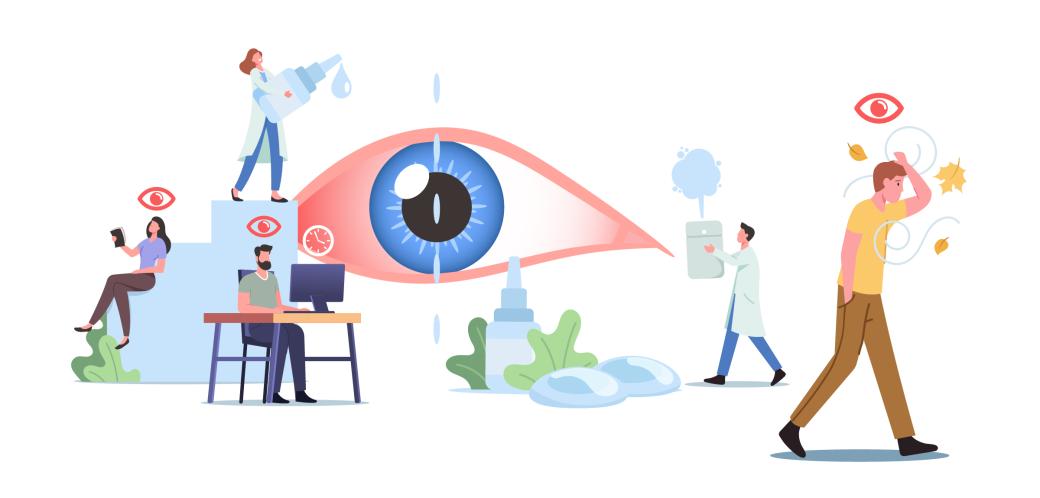
The time we spend on computers, tablets and phones and on watching television is growing as our day-to-day life becomes increasingly digitized. Digital eye strain is caused by a number of factors, including staring at close-up objects for extended periods of time. Some of the symptoms include the following:
Albertans spend on average of 10.5 hours using digital devices daily.
7 in 10 Albertans experience eye health symptoms as a result of using digital devices.
3 in 5 Albertans are concerned about digital eye strain.
2 in 5 Albertans experience shoulder, back or neck pain as a result of computer/laptop use at work.
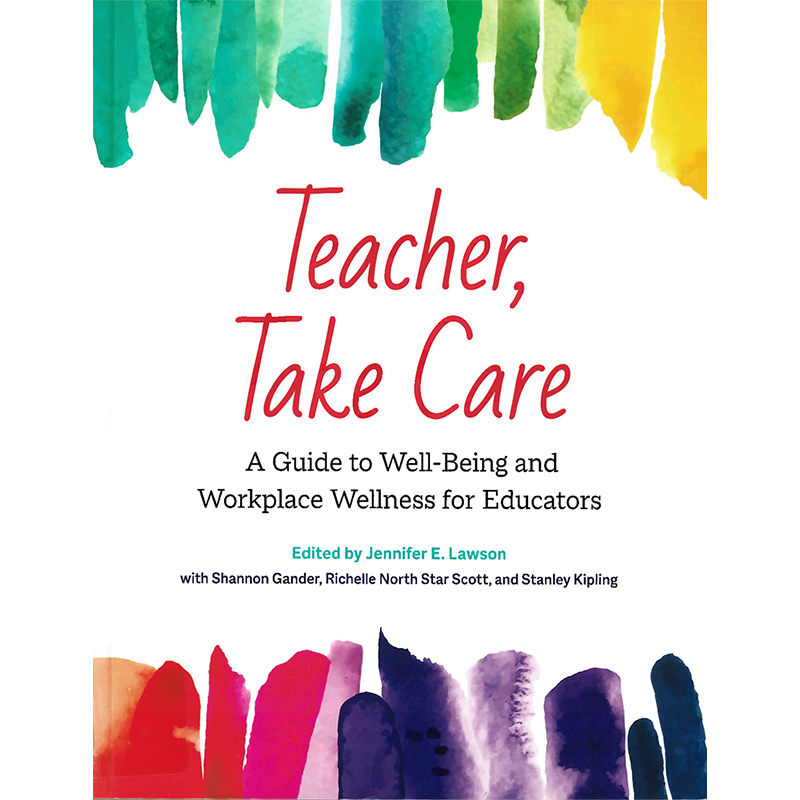
Teacher, Take Care: A Guide to Well-Being and Workplace Wellness for Educators
Edited by Jennifer E. Lawson
Available through the ATA library

Dedication to learning leads to unexpected discovery for teacher Abi Henneberry

Teachers have their own extracurricular activities. Here are some endeavours undertaken by your colleagues “out there.”

What’s great about it?